
TWB’s language technology initiative: Leaping over the language barrier with machine translation into Levantine Arabic
Complaint and feedback mechanisms: Effective communication is essential for true accountability
This report summarizes key findings and recommends actions to improve accountability in Northeast Nigeria through more effective and responsive complaint and feedback mechanisms. TWB found that humanitarian organizations are largely prioritizing verbal communication in a context of low literacy, particularly among women and older people. A reliance on spoken Hausa and written English (including for […]
Language barriers in the humanitarian response in Northeast Nigeria
The words between us: How well do enumerators understand the terminology used in humanitarian surveys?
Data collection is the foundation of humanitarian programs, informing humanitarian response plans, program design, and safeguarding measures. If the data is inaccurate, humanitarian action may be misconceived, unaccountable, inefficient, and ultimately lacking in impact for those most in need. Language plays a critical but largely overlooked part in data quality. Translators without Borders (TWB) is […]
Language matters: Improving accountability and operational effectiveness in Northeast Nigeria
MSNA language data can help humanitarians communicate better with affected people
When words fail: audio recording for verification in multilingual surveys
Are they listening? The challenges and opportunities of multilingual audio communication in Borno State
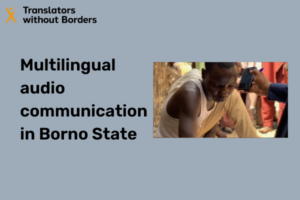
People affected by the conflict in linguistically diverse Northeast Nigeria need to give and receive critical information in multiple languages. Options for doing so are currently limited, but rethinking how humanitarians use audio messaging to reach their intended audiences could change that. Research shows that audio is the most widely understood communication format among internally […]
The 2021 multi-sector needs assessments (MSNAs) should collect data on the languages of affected people
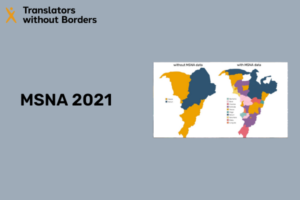
The 2021 multi-sector needs assessments (MSNAs) are a critical opportunity to strengthen the evidence base for effective and accountable humanitarian response plans. Humanitarian donors and responders need data on the languages and communication preferences of affected people as a basis for funding and programming decisions. At a minimum, asking one simple question on language can […]
Just to be clear: Why Devspeak needs to adopt plain language
Enlarging the small print on sexual exploitation and abuse
- « Previous Page
- 1
- 2
- 3
- 4
- 5
- …
- 13
- Next Page »