View our Talking effectively and respectfully about gender-based violence in Rohingya communities report in a new tab here.
Bridging community and humanitarian approaches to sexual and reproductive health in Rohingya communities
View our Bridging community and humanitarian approaches to sexual and reproductive health in Rohingya communities report in a new tab here.
Finding the right words: PSEAH terminology testing in Dohuk and Kirkuk, Iraq
In partnership with the International Organization for Migration, we developed a glossary of terms on preventing sexual exploitation, abuse and harassment in three Kurdish dialects: Sorani, Badini, and Kurmanji. As part of the glossary development, CLEAR Global and IOM conducted focus group discussions (FGDs) to test comprehension of sensitive and potentially confusing PSEAH-related terms. FGDs […]
Complaint and feedback mechanisms are missing the voices of women and people with restricted mobility
View our Complaint and feedback mechanisms are missing the voices of women and people with restricted mobility research report in a new tab here.
Bangladesh and Myanmar: language needs across borders
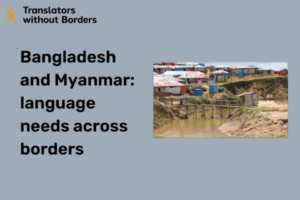
The Rohingya are marginalized in Myanmar society, as reflected in their lack of legal status and recognition as citizens. Across the border in Bangladesh, they are also unable to participate fully in society due to their lack of legal status and recognition as refugees. In both contexts, language barriers reinforce that exclusion. In March 2019, […]
Community health workers: The main source of health information for Rohingya women
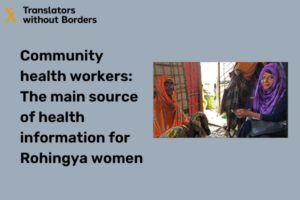
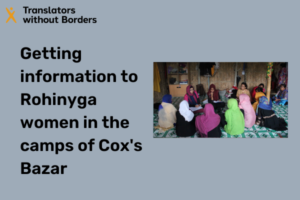
Getting information to Rohinyga women in the camps of Cox’s Bazar
Discussing gender in the Rohingya language: Building a better dialogue around gender issues

Download or view in a new tab our Rohingya gender language guide here.